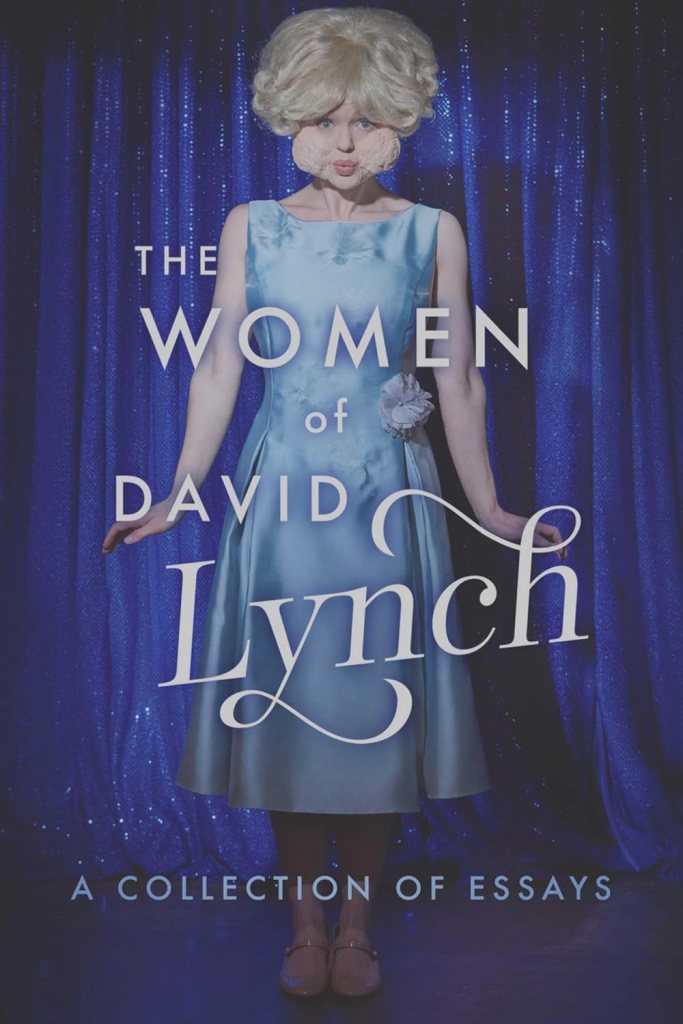
In The Women of David Lynch: A Collection of Essays, Scott Ryan presents a philosophically charged exploration of one of modern cinema’s most perplexing paradoxes—the figure of the woman as simultaneously victim, muse, and formidable force within the enigmatic cinematic universe of David Lynch. This assemblage of essays, contributed by an eclectic array of female critics, scholars, writers, and performers, challenges the conventional narrative that has long portrayed Lynch’s oeuvre as inherently misogynistic. Instead, it illuminates hidden feminine complexity, revealing characters who defy the reductive tropes of Hollywood’s past while simultaneously embodying the raw, electrifying intensity of the subconscious. Here, the women of Lynch are not mere supporting figures in a male-dominated tableau but are the very ideas and emotional fulcrums around which his entire mythos pivots.
Drawing upon a rich heritage of cinematic history—from the early, haunting images of Eraserhead to the sultry and unsettling domestic worlds of Blue Velvet, Lost Highway, and Inland Empire—the essays show how Lynch’s portrayal of female subjectivity operates on multiple levels. They examine the director’s idiosyncratic use of visual motifs, such as the trembling pulse of electric imagery and the architecture of the family home, to evoke states of trauma and transcendence. In these texts, the female form is reimagined as a site of resistance and transformation, where vulnerability intermingles with a fierce, almost supernatural, agency. The authors probe deeply into the unsettling dichotomy of tenderness and cruelty, suggesting that what appears as violence or objectification on screen may be a deliberate, multifaceted reflection on desire, memory, and the human condition—a meditation that resonates with the complexity of real-life experiences of womanhood.
The collection does not shy away from addressing the polemics that have dogged Lynch’s career for decades. Critics like Roger Ebert have condemned the apparent brutality and eroticized violence against women in his films, yet those who have worked intimately with Lynch—actresses such as Laura Dern, Naomi Watts, and others—offer testimonies that hint at a more nuanced reality: one in which the director’s reverence for the feminine manifests as both an aesthetic and emotional engagement. The essays argue that Lynch’s women are imbued with a mysterious vitality, a psychic energy that is as essential to his creative process as the flickering static of an old television set. Through textual and visual analysis, the writers suggest that his portrayal of female characters—be they the fragile yet defiant Mary X or the enigmatic and multifaceted figures in Twin Peaks: The Return—reveals a filmmaker who is as captivated by the forces of femininity as he is by the ambiguities of his own inner life.
The Women of David Lynch is a deliberate intervention in the longstanding debate over the director’s alleged misogyny. It posits that to understand Lynch’s work, one must first recognize the power of the female image as both a mirror and a shaper of his creative identity. His films, laden with surreal landscapes, distorted realities, and symbolic artifacts, are reinterpreted here as elaborate dreamscapes where the feminine is not a passive object but a dynamic, often paradoxical presence that disrupts and redefines the narrative. In this view, the conventional binary of male aggressor and female victim is transcended, replaced by a more ambivalent and richly textured vision of gender that calls into question societal assumptions about power, vulnerability, and identity.
Moreover, the essays engage with the broader cultural and political contexts in which Lynch’s films are situated. They reflect on the ways in which his cinematic language—steeped in the iconography of melodrama and imbued with the aesthetics of the uncanny—mirrors and critiques the entrenched norms of American society. The texts delve into the symbolism of the domestic sphere, the interplay of light and shadow, and the deliberate subversion of familiar tropes, arguing that these elements work in concert to expose the underlying tensions of a world where beauty and brutality coexist in uneasy balance. In this sense, Lynch’s women become emblematic of a more profound struggle: the quest for autonomy and recognition in a society that often reduces the female experience to mere spectacle.
By combining personal narrative with rigorous film analysis, the contributors to this volume invite readers into a labyrinth of ideas where cinematic images are decoded as metaphors for the complexities of desire, trauma, and the search for meaning in a fractured modern world. The essays do not offer tidy resolutions or simplistic condemnations; rather, they embrace the messy, often contradictory nature of both Lynch’s art and the lives of the women it portrays. In doing so, they challenge us to reconsider what it means to “see” a woman on screen—not as a static figure defined by the male gaze, but as a living, breathing confluence of myth, memory, and possibility.
In its sweeping scope and relentless attention to nuance, The Women of David Lynch: A Collection of Essays is seeon both as a celebration and a critique—a work that defies easy categorization and demands, above all, that its readers confront the enigmatic interplay of power and vulnerability that lies at the heart of Lynch’s cinematic vision. It is an invitation to look beyond surface appearances, to appreciate the intricate web of symbols, emotions, and contradictions that define the female presence in his films, and ultimately, to recognize in these representations a reflection of our own most complex and unspoken longings.
 Simon Gros
Leave a comment