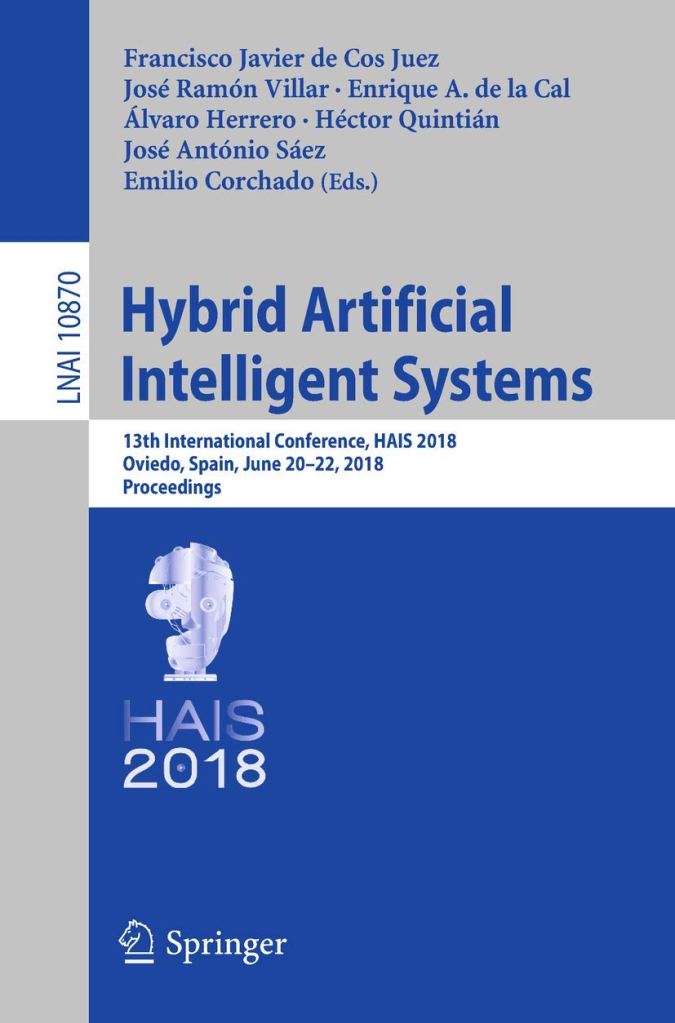
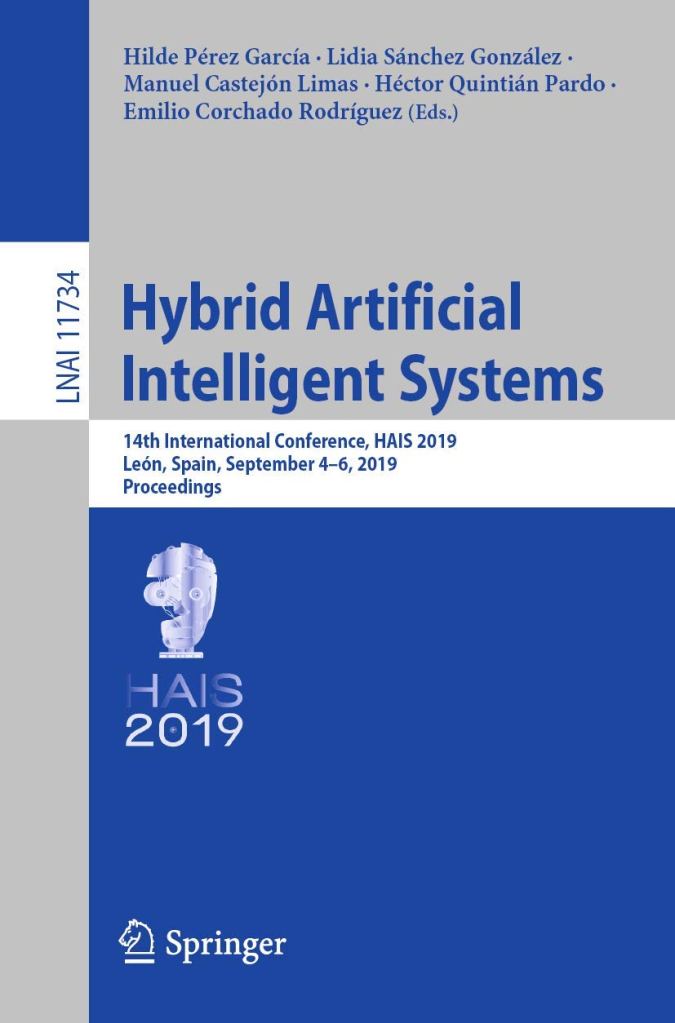
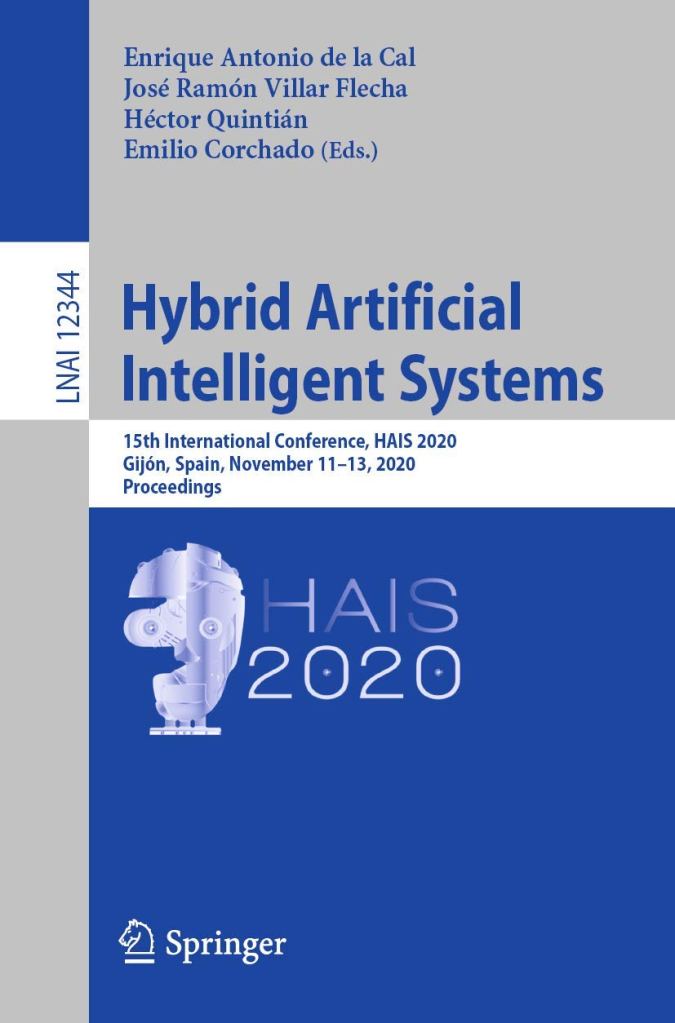

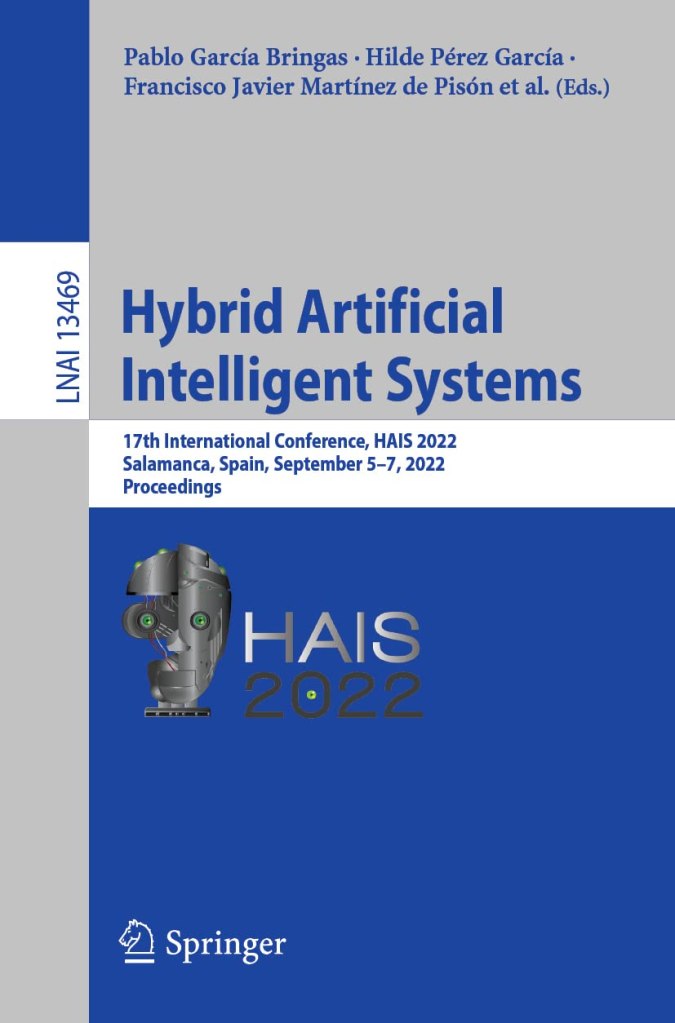
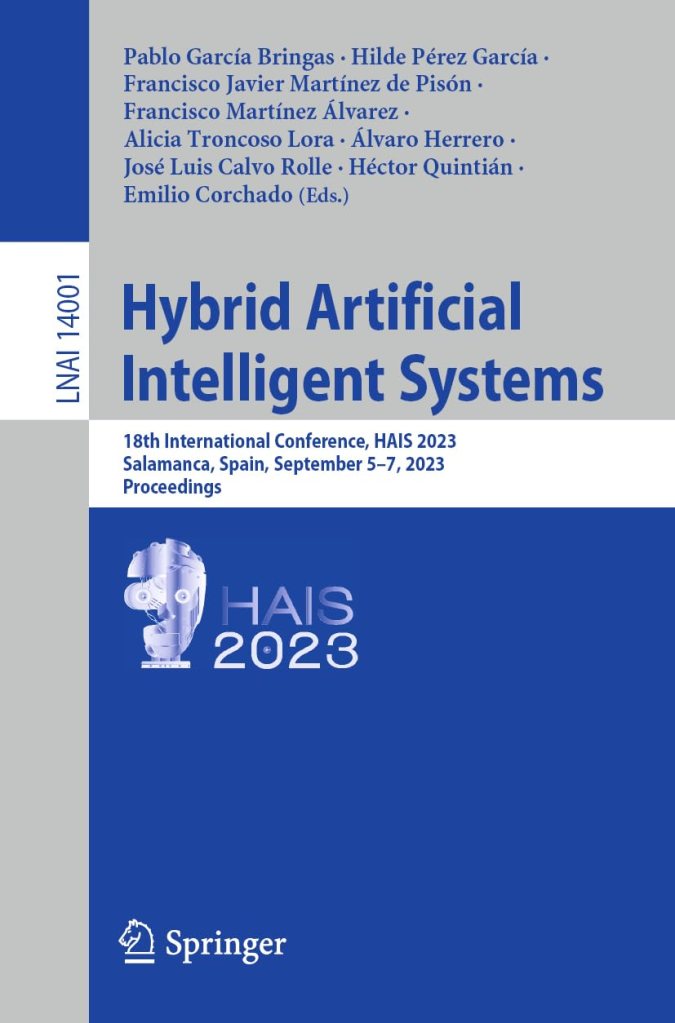
Hybrid Artificial Intelligent Systems is a comprehensive anthology spanning six volumes, encapsulating the proceedings of the 13th to the 18th International Conferences on Hybrid Artificial Intelligent Systems (HAIS) held in Spain from 2018 to 2023. Edited by a distinguished group of scholars including Hilde Pérez García, Lidia Sánchez González, Manuel Castejón Limas, Héctor Quintián, Emilio Corchado, and others, this collection represents a profound exploration of the multifaceted domain of hybrid artificial intelligence (AI).
The series goes into the philosophical underpinnings of intelligence, both artificial and natural, emphasizing the symbiotic relationship between various AI methodologies. The notion of hybridity in AI is not merely a technical amalgamation but a conceptual framework that reflects the complexity and interconnectedness of intelligent systems. By bringing together diverse approaches such as data mining, bio-inspired models, evolutionary computation, learning algorithms, and advanced data processing techniques, the volumes present a holistic view of the field’s evolution.
The 13th volume, originating from the HAIS 2018 conference in Oviedo, sets a foundational stage by exploring fundamental aspects of neurocomputing, fuzzy systems, rough sets, evolutionary algorithms, and multiagent systems. The 62 carefully selected papers from 104 submissions reflect the burgeoning interest in creating systems that can adapt, learn, and evolve in ways that mirror biological processes. Philosophically, this volume underscores the quest to bridge the gap between human cognition and machine computation, suggesting that true intelligence arises from the ability to handle uncertainty, learn from experience, and make decisions in complex environments.
Building upon this foundation, the 14th volume, originating from the HAIS 2019 conference in León, focuses on data mining, knowledge discovery, and big data. The 64 carefully selected papers from 134 submissions underscore the significance of handling vast amounts of data through hybrid approaches. The philosophical implication here is the recognition of patterns and knowledge that emerge when disparate data sources and analytical techniques converge, mirroring the cognitive processes of human understanding.
Advancing to the 15th volume from HAIS 2020 in Gijón, the discourse shifts towards the integration of advanced data processing and visualization techniques with bio-inspired models and optimization. The 65 papers emphasize the importance of learning algorithms and hybrid AI applications, reflecting a deeper inquiry into how machines can emulate and augment human cognitive functions. This progression signifies a move from mere data handling to the interpretation and visualization of complex information, highlighting the human desire to make sense of the abstract through tangible representations.
The 16th volume, from HAIS 2021 in Bilbao, further delves into the nuances of machine learning applications and optimization problem-solving. A notable contribution is the exploration of document similarity using word clustering with semantic distance. This work challenges traditional Latent Semantic Analysis by incorporating semantic relationships derived from tools like WordNet and Word2Vec. Philosophically, this represents a shift towards recognizing meaning and context in machine understanding, acknowledging that intelligence is not solely about statistical correlations but also about grasping the essence of concepts and their interrelations.
In the 17th volume from HAIS 2022 in Salamanca, the focus intensifies on specialized areas such as bioinformatics, deep learning, and image and speech signal processing. The examination of machine learning techniques for detecting Type-4 Photoparoxysmal Responses in electroencephalographic signals exemplifies the practical applications of hybrid AI systems in medical diagnostics. This not only demonstrates the capability of AI to assist in complex neurological assessments but also raises philosophical questions about the role of technology in interpreting and possibly intervening in human biological processes.
The 18th volume, from HAIS 2023 also in Salamanca, addresses pressing concerns in cybersecurity and the Internet of Things (IoT). The discussion on one-class reconstruction methods for categorizing Denial of Service attacks on the Constrained Application Protocol reflects the ever-evolving challenges in securing AI systems. The philosophical dimension here revolves around the trust and reliability we place in autonomous systems, and the continuous interplay between innovation and vulnerability.
Throughout the five volumes, a recurring theme is the interplay between artificial constructs and natural phenomena. Bio-inspired models and evolutionary computation are not just algorithmic strategies but are rooted in an appreciation of the processes that govern life and adaptation. This alignment suggests a philosophical stance that sees technology as an extension or reflection of natural intelligence, blurring the lines between the artificial and the organic.
Moreover, the progression of topics over the years indicates a maturation of the field, moving from foundational techniques to more complex and specialized applications. This trajectory mirrors the philosophical journey from understanding basic principles to grappling with intricate ethical, social, and existential questions posed by advanced AI systems. Issues such as the ethical implications of AI in healthcare, the responsibilities in cybersecurity, and the potential societal impacts of machine learning applications are inherent in the discussions within these volumes.
The editors’ selection and organization of papers ensure that each volume builds upon the previous, creating a cohesive narrative that captures the dynamism of hybrid AI research. The conferences’ locations across Spain, rich in cultural and historical significance, metaphorically parallel the exploration of new frontiers in AI, blending tradition with innovation.
In essence, Hybrid Artificial Intelligent Systems is not just a compilation of technical papers but a profound philosophical analysis of intelligence in its many forms. It challenges readers to consider the deeper implications of merging diverse AI methodologies and the potential this holds for understanding and enhancing the human experience. By embracing hybridity, the series underscores the belief that the most significant advancements arise from the intersection of disciplines, ideas, and perspectives.
This collection serves as a vital resource for researchers, practitioners, and philosophers alike, offering insights into the current state and future directions of hybrid AI systems. It invites reflection on how we define intelligence, how we interact with technology, and how we envision the role of AI in shaping a more insightful and connected world.
 Simon Gros
Leave a comment