
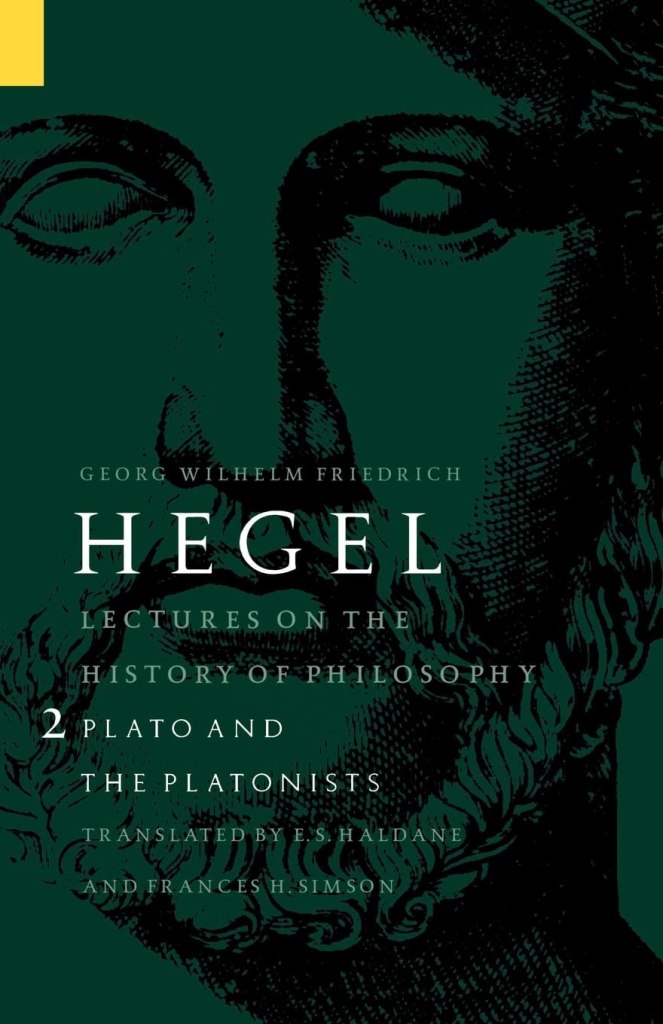
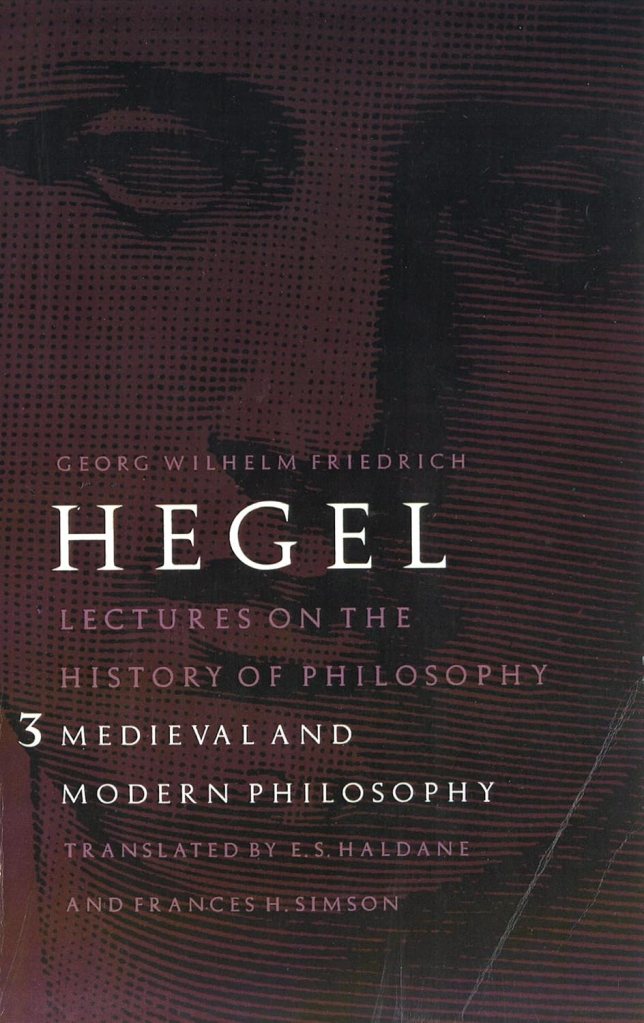
Georg Wilhelm Friedrich Hegel’s Lectures on the History of Philosophy, translated and edited by Robert F. Brown, is a monumental philosophical work presented in three volumes, reflecting Hegel’s explication of the evolution of philosophical thought across different epochs. Hegel, a pivotal figure in German Idealism, posited that human history progresses in alignment with divine purpose, manifesting in a spiritual and moral advancement that unfolds through the dialectical interplay of ideas. In the introduction, Hegel asserts that the history of philosophy is not merely a chronicle of intellectual achievements but rather a narrative of “noble minds”—a pantheon of thinkers who, through the rigorous application of reason, have sought to unveil the essence of reality, both in the material world and in the realm of the spirit. This foundational perspective sets the stage for Hegel’s ambitious undertaking: to depict philosophy as a living, evolving entity that embodies the self-realization of absolute spirit throughout time.
Volume I begins with a comprehensive introduction to the field of philosophy itself and an analysis of Oriental philosophy, encompassing the thought of ancient civilizations such as those in India and China. Hegel emphasizes the significance of these early philosophical traditions in the broader narrative of human development. He argues that these traditions, while seemingly distinct from Western thought, contribute essential insights into the nature of existence and the cosmos, and thus serve as crucial precursors to the more advanced developments in Greek philosophy, which he regards as a pivotal turning point in the history of thought. The reconstruction of Hegel’s lectures, previously obscured by conflated editions, allows readers to engage with the philosopher’s original ideas in a coherent manner, enabling a clearer understanding of the evolution of his thought as he navigated the complexities of philosophical traditions.
In Volume II, covering Greek philosophy, Hegel devotes considerable attention to this epoch, which he viewed as foundational to the entire trajectory of Western philosophy. He examines the contributions of seminal thinkers such as Socrates, Plato, and Aristotle, portraying their dialogues and doctrines as essential milestones in humanity’s journey toward self-consciousness and rationality. Hegel’s treatment of Greek philosophy underscores the dialectical process—whereby contradictions are synthesized into higher forms of understanding—as a central motif in his philosophy. This approach not only illuminates the intrinsic connections between different philosophical systems but also reflects Hegel’s belief that history is rational and teleological, progressing toward greater clarity and self-awareness.
Volume III traverses the medieval and modern periods, offering rich discussions of scholastic thought, Renaissance humanism, and Enlightenment philosophy. Here, Hegel scrutinizes the intellectual struggles that defined these eras, engaging with figures like Descartes, Locke, Leibniz, and Kant, each of whom contributed to the evolving conception of human nature, knowledge, and reality. Hegel’s analysis is particularly insightful regarding Kant’s critical philosophy, which he respects for its rigorous examination of reason, yet critiques for its limitations in fully grasping the historical dynamics at play in philosophical development. Through this examination, Hegel argues that philosophy must transcend mere analysis of static concepts to encompass the historical context from which these ideas emerge, thereby demonstrating the interconnectedness of philosophical thought and its socio-historical milieu.
Throughout these volumes, Hegel’s lectures reflect a profound commitment to the idea that philosophy is an active process of historical development rather than a collection of fixed systems. He challenges the antiquarianism prevalent among his contemporaries by positing that the history of philosophy itself is a philosophical endeavor, embodying the rationality and dynamic evolution of human thought. This perspective has had a lasting impact on the intellectual landscape, influencing the emergence of historical consciousness in the nineteenth century and beyond, as thinkers grappled with the implications of Hegel’s views on the dialectical unfolding of reason through time.
The Lectures on the History of Philosophy not only elucidate Hegel’s own systematic philosophy but also serve as an essential resource for understanding the development of Western thought as a whole. The annotations and editorial introductions provided in this edition enhance the accessibility of Hegel’s complex ideas, enabling both scholars and general readers to engage with the text meaningfully. Brown’s translation, noted for its accuracy, brings to light the subtleties of Hegel’s argumentation and rhetoric, making it possible for English-speaking audiences to appreciate the depth of his philosophical contributions.
This authoritative edition represents a significant scholarly achievement, as it reconstructs the original lecture materials based on extant transcripts and manuscripts, offering a clearer insight into Hegel’s thought processes and intellectual development over the years. It illuminates the transformative role that these lectures played in Hegel’s life, as well as their enduring influence on the study of philosophy. By reexamining the historical context of philosophical ideas and their evolution, Hegel invites readers to participate in the ongoing dialogue concerning the nature of reason, the self, and the unfolding of human consciousness. His lectures embody a key assertion: that the pursuit of knowledge is a journey—one that is continuously shaped by the historical and cultural currents of its time.
Hegel’s Lectures on the History of Philosophy are not merely a historical account of philosophical thought but a vivid portrayal of the dialectical development of reason itself. This work constitutes an invaluable contribution to the field of philosophy, establishing Hegel as a critical figure in shaping our understanding of the interplay between history, reason, and the development of human consciousness. Brown’s translation and editorial work thus ensure that this vital text remains a cornerstone for anyone seeking to navigate the area of philosophy and the historical evolution of ideas.
 Simon Gros
Leave a comment